
Pork Tenderloin with Creamy Mustard Sauce

Juicy roasted pork tenderloin finished with a silky creamy mustard sauce brightened with fresh tarragon and parsley — an elegant weeknight dish that’s simple to make.
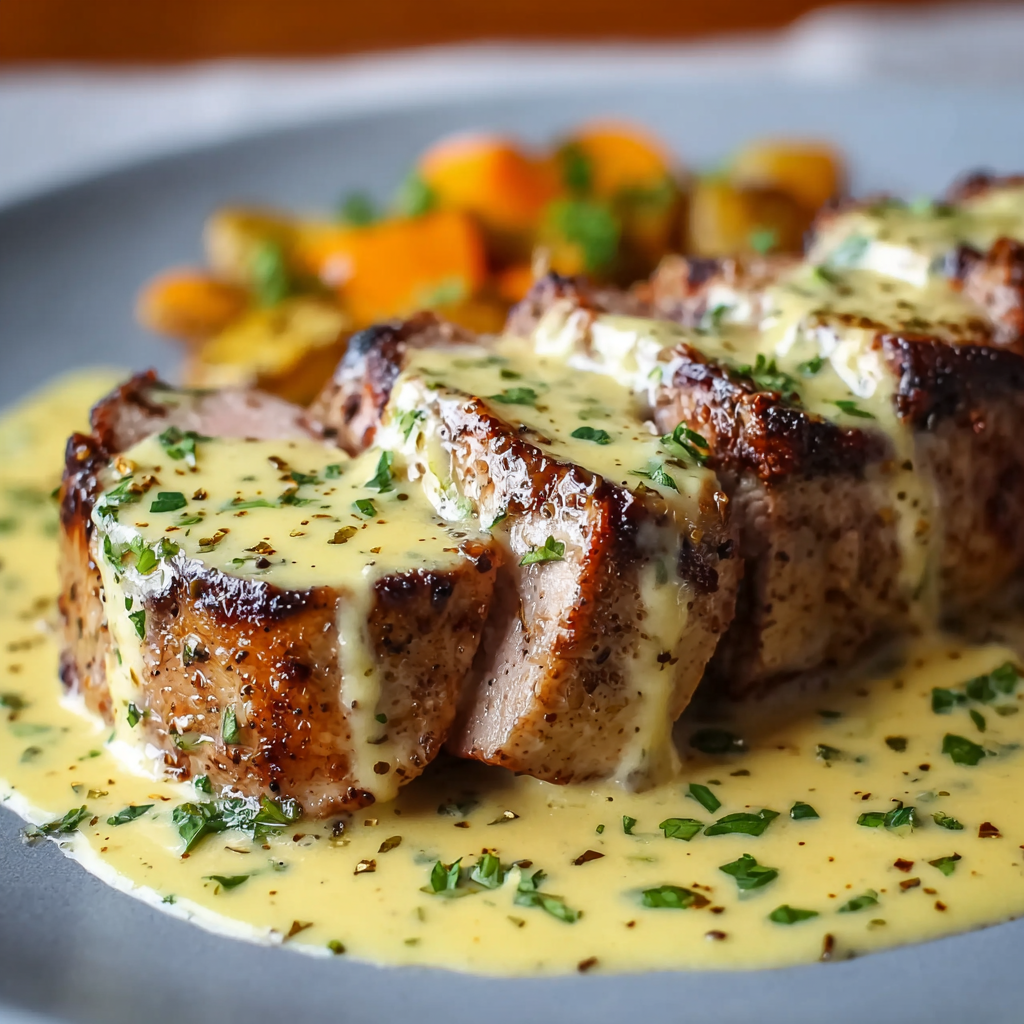
This Pork Tenderloin with Creamy Mustard Sauce is one of those easy-but-impressive dishes I return to again and again. I first tried this combination after watching a friend finish a pork fillet with a pan sauce that used only cream, mustard and herbs; I adapted the proportions to create a sauce that clings to each slice without overpowering the meat. The tenderloin cooks quickly, giving a faint blush of pink in the center while remaining wonderfully juicy — the kind of plate that reads as restaurant-quality but comes together in under 35 minutes.
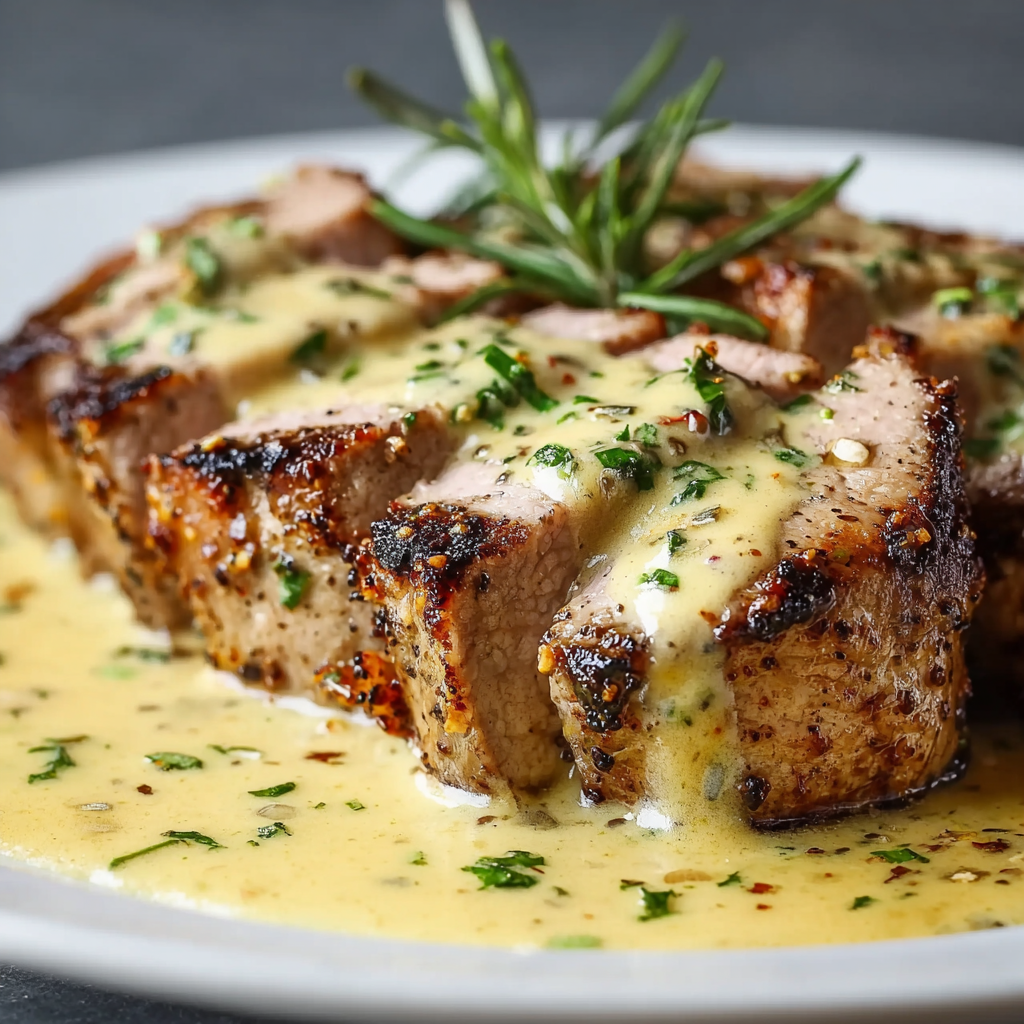
What I love most about this dish is the contrast between the caramelized sear on the outside of the pork and the silky, tangy sauce spooned over warm slices. Tarragon brings a subtle aniseed brightness while whole-grain mustard adds texture and visual charm. It’s a regular request in my house when we want something special without fuss; the recipe is forgiving, easy to scale, and rewards an instant-read thermometer for perfectly timed results.
Why You'll Love This Recipe
- Minimal ingredients: Two pork fillets, heavy cream and two mustards produce a polished main with pantry-friendly items.
- Quick turnaround: Prep in about 8 minutes and cook in roughly 20 minutes — ready in about 33 minutes total, perfect for weeknights.
- Make-ahead friendly: Sear and rest the meat, then finish with sauce just before serving to keep textures perfect.
- Crowd-pleasing: Elegant presentation and rich flavor make this suitable for casual family dinners or easy entertaining.
- Flexible for diets: Naturally low in carbohydrates and easy to adapt for lower-fat or herb variations.
- Reliable results: The method tolerates different stovetop equipment and shines with a meat thermometer for consistent doneness.
My family’s reaction the first time I served this was immediate — everyone went quiet while they ate, then asked for seconds. Over time I’ve learned little adjustments: sear on a hot skillet for color, use both Dijon and whole-grain mustard for depth, and rest the pork so juices redistribute. Those small steps make a big difference in texture and taste.
Ingredients
- Pork tenderloins: Two pork tenderloins, about 1 lb (16 oz) each. Look for firm, pale-pink fillets with minimal silver skin; trim only the thin membrane if your butcher hasn’t already removed it. Tenderloin gives that delicate, uniform shape ideal for quick roasting and even slicing.
- Salt & Pepper: Use about 1 teaspoon kosher salt and 1 teaspoon freshly cracked black pepper to season the meat evenly. Coarse salt provides better surface seasoning for the sear; fresh-cracked pepper gives aroma without bitterness.
- Oil: 2 tablespoons vegetable, canola or light olive oil — a neutral oil with a high smoke point helps achieve an even golden sear without burning.
- Heavy cream: 1/2 cup heavy cream (also labeled thickened cream) delivers body and silkiness to the sauce. Full-fat cream produces the best mouthfeel; for lower fat, use 1/2 cup reduced-fat cream but expect a slightly thinner finish.
- Dijon mustard: 1 tablespoon Dijon for flavor and emulsification; its acidity balances richness and helps thicken the sauce.
- Whole-grain mustard: 1 tablespoon whole-grain mustard for texture and visual speckles — if you don’t have it, add another 1/2 tablespoon Dijon.
- Fresh herbs: 2 teaspoons finely chopped fresh tarragon and 2 teaspoons parsley. Tarragon gives a delicate anise note; parsley brightens the sauce. If you can’t find tarragon, substitute thyme + parsley (see substitutions).
- Finishing salt & pepper: 1/2 teaspoon salt and 1/2 teaspoon pepper for the sauce, plus 1–2 tablespoons water to loosen the sauce if needed.
Instructions
Preheat:Preheat the oven to 390°F. Position a rack over a tray so the cooked pork can rest with air circulating underneath — this keeps the underside from steaming and maintains the seared crust.Season the fillets:Pat the tenderloins dry with paper towels. Sprinkle evenly with about 1 teaspoon salt and 1 teaspoon pepper, using your hands to press the seasoning into the surface for even flavor penetration.Sear on stovetop:Heat 2 tablespoons oil in a large ovenproof skillet over medium-high heat until shimmering. Sear the tenderloins on all sides until deeply golden — roughly 4–5 minutes total. Rotate to sear each face; do not crowd the pan as that will steam rather than brown.Roast to temperature:Transfer the skillet to the preheated oven and roast for about 12–15 minutes, depending on fillet size. Use an instant-read thermometer to target 149°F (65°C) for a faint blush of pink and optimal juiciness. For no pink, roast 3 minutes longer and aim for 155°F (68°C).Rest time:Remove pork from skillet and transfer to a rack. Rest for 5 minutes; the internal temperature will rise slightly and juices will redistribute for tender slices.Make the sauce:Return the same skillet to medium heat. Add 1/2 cup heavy cream, 1 tablespoon Dijon and 1 tablespoon whole-grain mustard, scraping browned bits from the pan with a wooden spoon to dissolve into the sauce. Warm until hot but not simmering, then stir in 2 teaspoons chopped tarragon, 2 teaspoons chopped parsley, 1/2 teaspoon salt and 1/2 teaspoon pepper. Thin with 1–2 tablespoons water if needed — no need to reduce; the sauce should be silky and spoonable.Slice and serve:Cut pork into 3/4–1 inch (2–2.5 cm) slices against the grain. Arrange on a warmed platter and spoon the creamy mustard sauce over each slice. Serve immediately.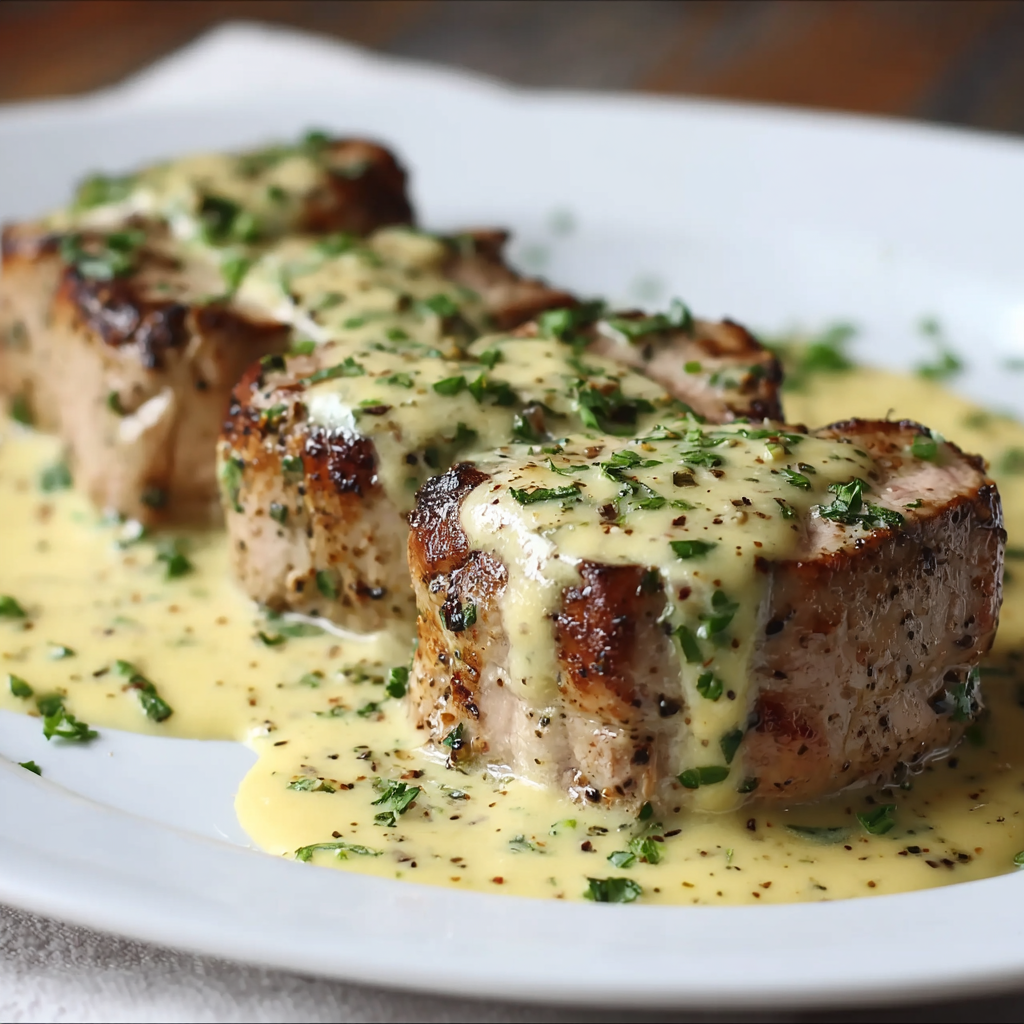
You Must Know
- This plate is relatively low in carbohydrates (about 2 g per serving) and high in protein (about 38 g), making it great for low-carb menus.
- Always use an instant-read thermometer: tenderloin is lean and small variances in size change cook time dramatically.
- Leftovers store well in the fridge up to 3 days; freeze slices without sauce for up to 3 months.
- Heavy cream is the secret to a glossy, clingy sauce — light cream or milk will be noticeably thinner and less luxurious.
- Whole-grain mustard provides visual texture and small bursts of flavor; omit only if necessary and balance with a little extra Dijon.
My favorite aspect is how forgiving the method is: even when I’m juggling a busy evening, a quick sear and oven finish yields a dish that looks like effort went into it. Guests often ask for the recipe, and I always tell them the two keys are a very hot pan for color and a thermometer for perfect doneness. The herbs — especially tarragon — elevate the sauce from simply creamy to memorable, and the small additions of mustard make each bite lively.
Storage Tips
To store, keep sliced pork and sauce separate for best texture: place slices in an airtight container layered with parchment and refrigerate for up to 3 days. Reheat gently in a low oven (300°F) covered with foil until just warmed through, then reheat the sauce in a small saucepan over low heat — add a splash of water or cream to loosen if it thickened. For freezing, freeze cooked, cooled slices without sauce in a single layer on a tray, then transfer to a freezer bag for up to 3 months. Thaw in the fridge overnight and reheat gently to avoid drying out the meat.
Ingredient Substitutions
If you don’t have fresh tarragon, substitute 1/2 teaspoon dried thyme plus 1.5 teaspoons chopped parsley, or use all parsley for a milder herb profile. No whole-grain mustard? Use an extra 1/2 tablespoon Dijon for increased tang. For a lighter version, swap half-and-half for heavy cream — the texture will be thinner and you may want to reduce the sauce briefly to concentrate flavor. For a dairy-free option, use full-fat coconut cream and check mustard labels for compatibility with your diet.
Serving Suggestions
This pairs beautifully with buttery mashed potatoes, creamy polenta or a simple lemony green vegetable like sautéed green beans or asparagus. For a lighter plate, serve alongside a crisp salad dressed with a little red-wine vinaigrette to cut the creaminess. Garnish with extra chopped tarragon or parsley and serve with crusty bread to mop up any remaining sauce; it makes a lovely centerpiece for a holiday table or an easy dinner for two.
Cultural Background
The combination of pan-seared meat and mustard-cream pan sauce is a classic technique rooted in French bistro cooking — taking advantage of fond (the browned bits in the pan) to build quick, flavorful sauces. Tarragon is a traditional French herb, often paired with mustard and cream in sauces for poultry and pork. This method demonstrates how simple European techniques produce elegant results with minimal equipment.
Seasonal Adaptations
In spring and summer, add a squeeze of lemon and fresh chives to the sauce for brightness; swap parsley for basil for a fragrant turn. In autumn, include roasted mushrooms in the pan before adding cream for an earthy finish. For winter entertaining, serve this with roasted root vegetables and a splash of sherry or Madeira in the sauce for richness.
Meal Prep Tips
For make-ahead convenience, sear and roast the fillets, then cool and refrigerate for up to 24 hours. Reheat in a low oven and finish with a freshly made mustard cream sauce just before serving. If portioning for lunches, slice the pork and pack in microwave-safe containers with a small separate container of sauce to maintain texture when reheated.
This dish reliably bridges weekday speed and weekend polish — try it for your next midweek dinner and you’ll see why it’s become a staple in many kitchens.
Pro Tips
Use an instant-read thermometer and aim for 149°F (65°C) for a slightly pink, juicy center.
Sear over medium-high heat until a deep golden crust forms — this adds flavor to the sauce when deglazed.
Rest the meat for 5 minutes on a rack to let juices redistribute before slicing.
Scrape browned bits (fond) into the sauce for extra flavor instead of scraping them away.
If the sauce is too thick, thin with 1–2 tablespoons water; avoid boiling once cream is added.
This nourishing pork tenderloin with creamy mustard sauce recipe is sure to be a staple in your kitchen. Enjoy every moist, high protein slice — it is perfect for breakfast or as a wholesome snack any time.
FAQs about Recipes
What temperature should I cook the pork to?
An instant-read thermometer should read about 149°F (65°C) for a faint blush of pink; for no pink, target 155°F (68°C).
Can I reheat leftovers?
Yes — reheat slices in a 300°F oven until warmed through and reheat the sauce separately on low; add a splash of water or cream if it’s too thick.
Tags
Pork Tenderloin with Creamy Mustard Sauce
This Pork Tenderloin with Creamy Mustard Sauce recipe makes perfectly juicy, tender, and flavorful steak every time! Serve with potatoes and a side salad for an unforgettable dinner in under 30 minutes.
Ingredients
Pork
Seasoning & Oil
Sauce
Instructions
Preheat oven
Preheat oven to 390°F and position a rack over a tray for resting the meat.
Season pork
Pat pork dry and season all over with 1 teaspoon salt and 1 teaspoon pepper; press seasonings into the surface.
Sear pork
Heat 2 tablespoons oil in an ovenproof skillet over medium-high heat and sear pork on all sides until golden, about 4–5 minutes.
Roast to temperature
Transfer skillet to the oven and roast about 12–15 minutes until an instant-read thermometer registers 149°F for medium (add 3 minutes for 155°F if you want no pink).
Rest the meat
Remove pork from skillet and transfer to a rack; rest for 5 minutes to allow juices to redistribute.
Make creamy mustard sauce
Return skillet to medium heat, add 1/2 cup heavy cream, 1 tbsp Dijon and 1 tbsp whole-grain mustard. Scrape browned bits from the pan, warm until hot but not boiling, then stir in herbs, 1/2 tsp salt and 1/2 tsp pepper. Thin with 1–2 tbsp water if needed and keep warm.
Slice and serve
Slice pork into 3/4–1 inch slices against the grain and spoon sauce over each portion. Serve immediately with desired sides.
Last Step: Please leave a rating and comment letting us know how you liked this recipe! This helps our business to thrive and continue providing free, high-quality recipes for you.
Nutrition
Did You Make This?
Leave a comment & rating below or tag
@kitchenfunwithmy3sons on social media!
Categories:
You might also like...

Cinnamon Sugar Cream Cheese Rolls
Buttery pastry envelopes a sweet, creamy cinnamon filling for an irresistible warm dessert or snack—ready in just 30 minutes.

Pineapple Chicken Rice
A bright, one-skillet meal that pairs sweet pineapple with savory chicken and fluffy jasmine rice for an easy, dairy-free weeknight dinner.

Blueberry Breakfast Quesadilla
Warm tortilla filled with creamy sweetened cream cheese, fresh blueberries and a drizzle of honey—an easy, satisfying morning treat ready in minutes.
Did You Make This?
Leave a comment & rating below or tag @kitchenfunwithmysons on social media!
Rate This Recipe
Share This Recipe
Enjoyed this recipe? Share it with friends and family, and don't forget to leave a review!
Comments (1)
This recipe looks amazing! Can't wait to try it.
Comments are stored locally in your browser. Server comments are displayed alongside your local comments.
Hi, I'm !
What's Popular
Get My 30-Minute Meals email series!
Quick and easy dinner ideas delivered to your inbox.